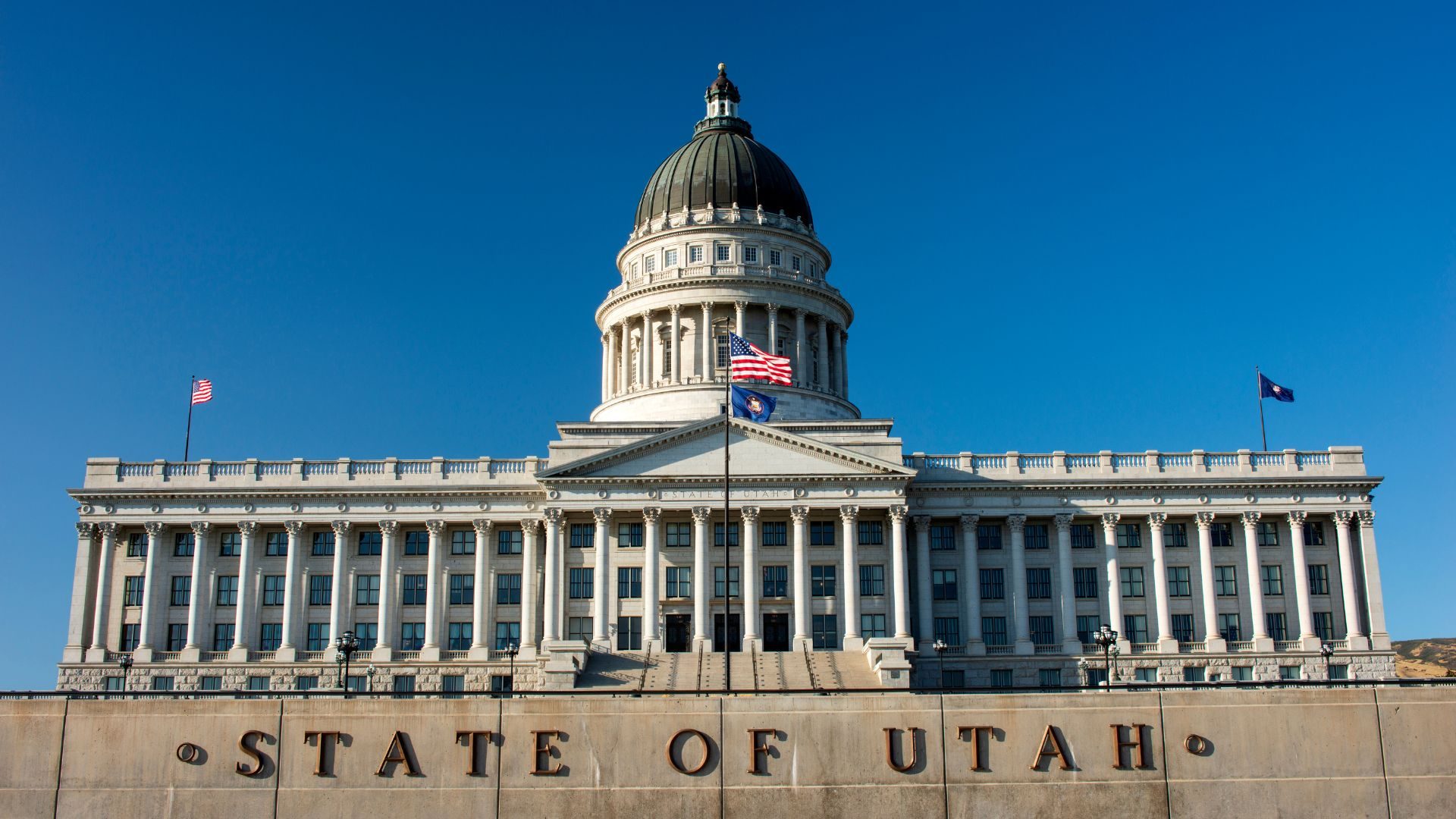
The Sexual Violence Prevention Association (SVPA) urges the Utah Department of Corrections (UDC) to prevent state sexual violence by introducing standards to end mass strip searches and holding officers accountable for sexual misconduct. These demands follow a recent lawsuit alleging that incarcerated women were subjected to unlawful cross-gender strip searches during a large-scale prison operation.
The federal civil rights lawsuit, filed on May 13, 2025, claims the UDC carried out a large-scale “reset” operation in the women’s housing units at the Utah State Correctional Facility. The lawsuit alleges that women were ordered to strip completely naked and to endure visual body cavity search procedures while visible to male correctional staff. The plaintiffs further recount that they were required to remove menstrual products in view of others, provide urine samples while naked, and remain unclothed as cell doors were left open and male officers observed from areas nearby.
Federal law prohibits cross-gender strip searches except in exigent circumstances or when performed by medical practitioners. When asked about the “reset” operation by reporters, the UDC acknowledged that no exigent circumstances existed. In other words, they acknowledged they broke the law. The lawsuit alleges that despite this admission, the supervisory officials planned, directed, and condoned an operation that subjected dozens of women to degrading and unnecessary cross-gender exposure.
Strip searches are state-sanctioned sexual violence– when the government allows sexual acts to be performed on someone without their consent, typically by claiming it is necessary for “safety.” These searches are a violation of consent, autonomy, and privacy that cause immense trauma. Strip searches are also a common site of state-tolerated sexual violence; when the government allows sexual violence to happen by ignoring reports, silencing survivors, and averting accountability.
This operation represents both state-sanctioned and state-tolerated sexual violence. The alleged misconduct was not an isolated act by an individual officer, but a coordinated institutional practice involving numerous correctional staff and supervisory officials. Such allegations raise serious concerns about departmental policies, oversight, and whether existing safeguards are sufficient to protect incarcerated people from sexual violence.
“You don’t lose your right to be free from sexual violence when you’re incarcerated,” said Katie Knick, Research Director at the SVPA. “These allegations describe women being forced to endure deeply humiliating strip searches while officers watched. No one should be subjected to this, and the Utah Department of Corrections has a responsibility to address these egregious harms and to prevent this type of sexual violence in the future.”
The allegations are alarming. This case highlights the serious need for stronger policies regarding when and how strip searches may be conducted. Strip searches should require specific and individualized justifications.
Blanket strip search operations such as this “reset” must cease immediately. These mass operations are inherently harmful. Further, they increase the likelihood of additional sexual violence during the search. They retraumatize survivors of prior sexual violence and undermine the notion that these searches are necessary for public safety. Meaningful reform requires raising the threshold for conducting searches, limiting cross-gender searches (or at the very least, maintaining the “exigent circumstances” threshold as required by federal law), and ensuring accountability when these policies are violated.
“You cannot justify sexually violating all inmates as a safety protocol. Strip searches are deeply traumatic violations of consent,” said Omny Miranda Martone, Founder and CEO of the SVPA. “This case was not misconduct by a few individuals. It was a systemic failure that demands systemic reform. Utah has a responsibility to protect the people in their custody, not subject them to state sexual violence.”
The SVPA urges the UDC to create and implement new standards that ban the practice of “resets” or any mass strip searches. Mass strip searches inherently violate the Prison Rape Elimination Act (PREA) and violate inmates’ civil rights.
The SVPA demands that the UDC conduct an internal investigation into the May 13th operation, and to publicly release the accountability measures taken against the officers. State leadership should investigate whether similar practices have occurred during previous search operations or whether there are other instances of mass “reset” searches. If the UDC finds this broad-scale misconduct is a pattern, they should escalate the audit to the State Bureau of Investigation (SBI).
These letters are the latest in the SVPA’s nationwide efforts to prevent state sexual violence. The organization has taken action to limit strip searches in Oklahoma, Colorado, Connecticut, Montana, and Idaho.
“Utah has an opportunity to demonstrate that correctional safety does not require state sexual violence,” said Martone. “We urge Director Jared Garcia to strengthen protections, ensure accountability, and implement policy reforms to prevent harmful strip searches from happening in the future.”